
Vandal Graffiti in Omaha: A Challenge for Community, City, and Police
By Bernardo Montoya
It’s not just paint on a wall: vandal graffiti in Omaha has become a real concern for residents, authorities, and local businesses. When people see tags near 23rd & L or in the Benson area, they don’t just ask, “What’s happening here?” They also wonder, “What does this mean for our safety, our economy, and our neighborhood?” This problem—where legitimate street art gets confused with vandalism—is costing the city over half a million dollars a year just in cleanup. It also affects public perception, property values, and residents’ sense of control over their community.
Mundo Latino spoke with Police Captain Paul Hanson, who said, “Graffiti is a constant, especially in a city of this size. This is not a growing issue, but rather a sign that a group (or groups) may be increasing their activity. The particular instances that are of concern are gang-related tagging, most notably tags intended to dishonor another gang. Please note there is a difference between a ‘tagger’ and ‘gang graffiti’. Most notably, the graffiti in the Benson area is not gang affiliated. Some of the graffiti in other areas of Omaha, near 23rd and L Street for instance, is ‘gang graffiti’ that is intended to draw attention to one gang and dishonor another gang.”
According to Captain Hanson, “Typically, the tagging in the Omaha area is tied to vandalism. Most of the ‘taggers’ tend to be older males, not gang affiliated. The ‘gang graffiti’ is mostly perpetrated by juveniles and is intended to recruit others to their gang and strike fear into rival gangs.”
The economic impact is real: Omaha spends around $425,000 a year on cleanup alone, and including private costs, the total exceeds $500,000 annually—not counting police work, insurance, or lost business. Many cases are never reported, meaning the true scale of the problem is even larger.
Melissa Gerdes, from Berkshire Hathaway HomeServices, points out that vandal graffiti directly affects property values and can deter potential buyers due to safety and appearance concerns. This adds extra pressure on local investment and business.
Sara Gallego, a resident near Q Street and 20th, shared her experience dealing with graffiti at her home for years. She said she eventually stopped repainting out of exhaustion. She explained that the random letters and symbols show a lack of respect for the effort she put into her property and take a toll on her family’s peace of mind: “I was just tired of constantly repainting… it’s not fair that private property is destroyed this way,” she said.
Captain Hanson noted that most perpetrators are youths between 12 and 18, and that vandalism can lead to higher-risk behavior such as drug use, theft, and other future crimes. Legally, graffiti has serious consequences: a first offense is a Class III misdemeanor, punishable by up to three months in jail and a $500 fine. Repeat offenses can escalate to a felony, with up to two years in prison and a $10,000 fine, plus the requirement to repair damages and possible driver’s license suspension.
Omaha police actively work to prevent and address vandalism. Hanson explained: “Patrol officers and Gang Unit detectives work collaboratively to share information and arrest those responsible for graffiti. Technological advancements have made it easier to solve graffiti cases and apprehend suspects. Recently, a police drone, part of the Omaha Police Department’s ‘Drone as First Responder Program,’ was used to locate and arrest a graffiti suspect in the act. The department’s Real-Time Operations Center (ROC) has also been instrumental in fighting graffiti.” Community participation is essential—several recent arrests came from citizens calling 911 while witnessing graffiti, and the Omaha Crime Stoppers program has generated tips leading to arrests and rewards for informants.
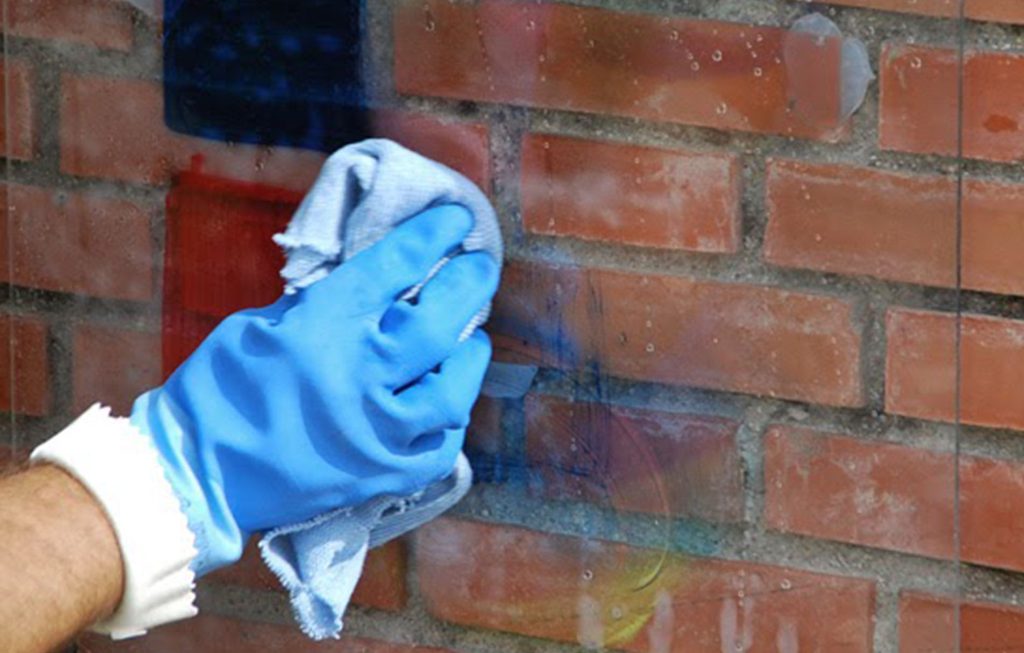
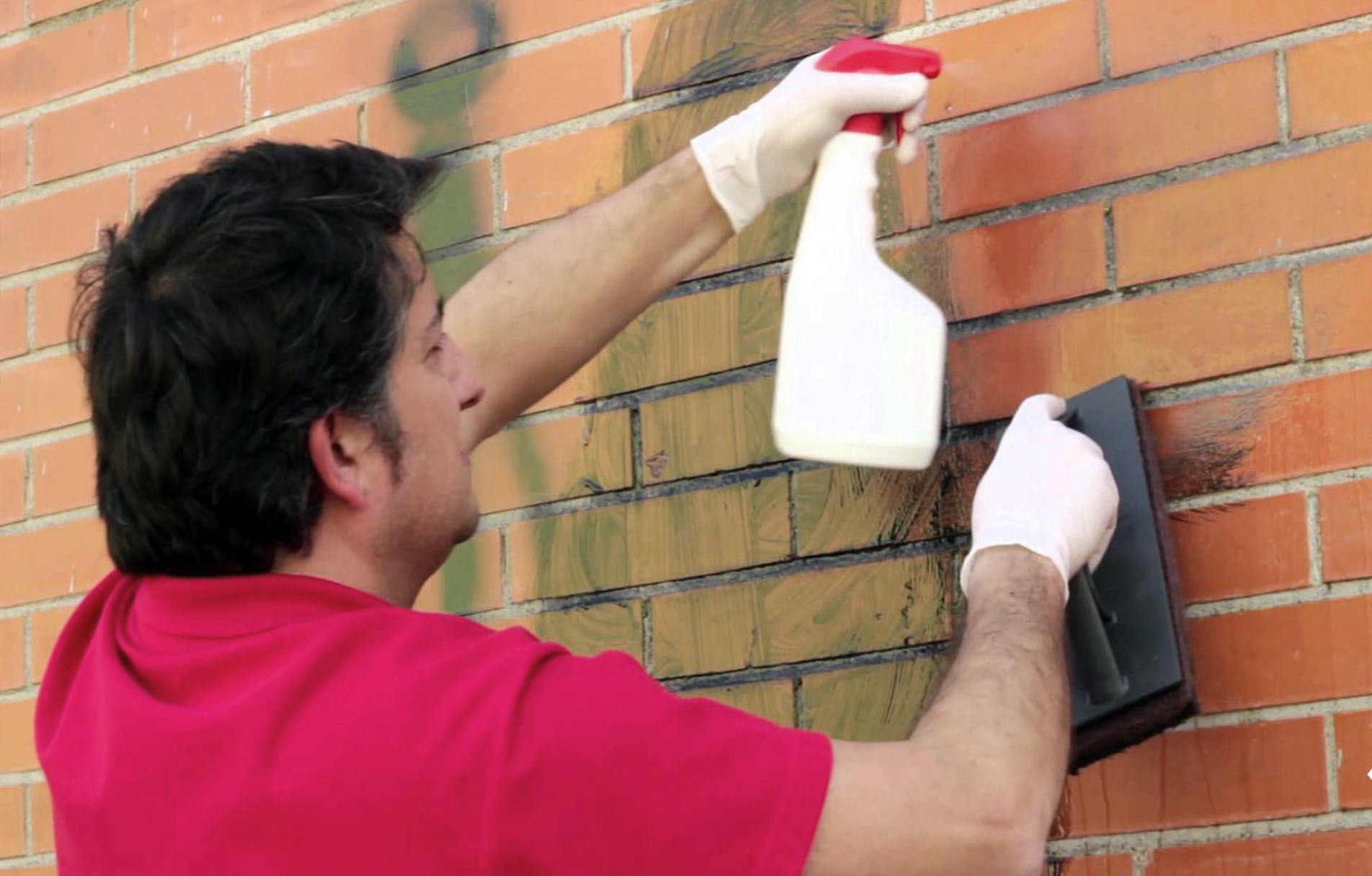
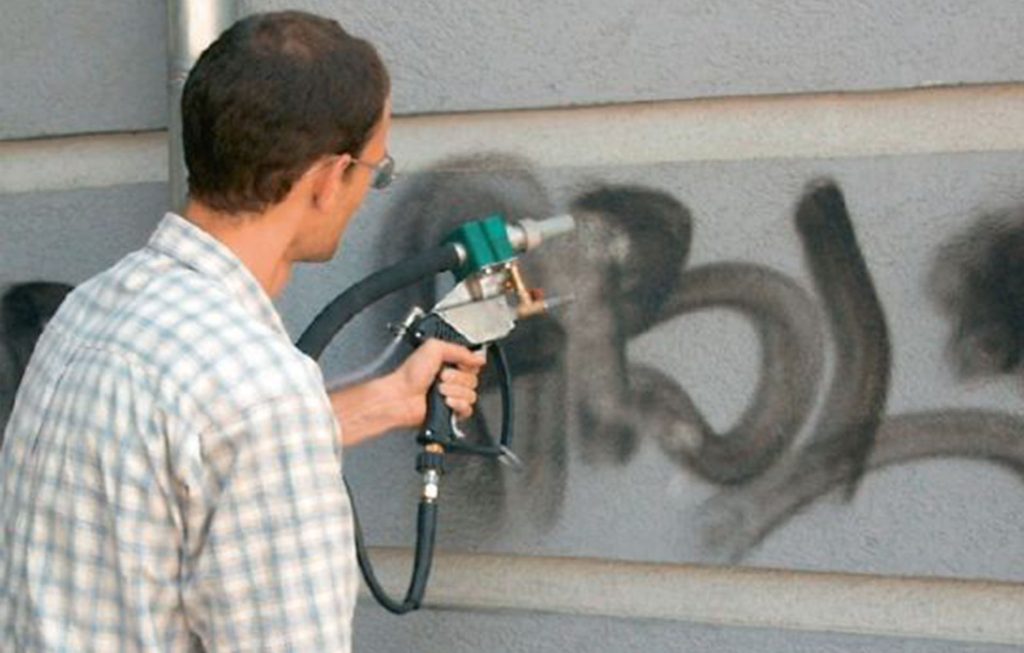
Jennifer Rodriguez, Community Liaison for South & Southwest Omaha, who works directly with Mayor John Edwin, said, “The city has a program to remove graffiti: when someone reports a graffiti incident, staff is sent to remove it quickly. There are rules, but this program is part of the city’s strategy for prevention and cleanup.” The City of Omaha Graffiti Abatement Program works in coordination with the Mayor’s office, City Council, and police to reduce vandalism and promote prevention, intervention, and enforcement. It also involves neighbors, public education, and reporting graffiti through the Mayor’s Hotline or online system.
This city program, designed with support from Graffiti Consultants of San Jose, California, focuses on four key areas: abatement, prevention, intervention, and enforcement. It has achieved a 92% reduction in residual graffiti. Public education and community involvement have proven essential in lowering vandalism and maintaining neighborhood safety and pride.
According to Crime Grades and Crime Maps, the areas most affected include East Omaha, with the highest incidence; Downtown Omaha, where business density and foot traffic create more exposure; and urban corridors like Vinton Street and Leavenworth, where visible infrastructure attracts taggers. Captain Hanson emphasizes that these areas are not necessarily unsafe—they are high-visibility, high-activity spaces where vandalism has more opportunity to occur.
The final message is clear: street art can be a valuable cultural expression when done legally and in designated spaces, but unauthorized vandal graffiti is a crime that harms the community and has social and economic costs. Prevention starts at home and in schools: teaching respect for property and civic rules is key to keeping young people from becoming vandals before the law needs to step in. Police continue working actively, using technology, coordination, and community collaboration to keep the city safe and protect both residents and businesses.
Omaha demonstrates that the difference between artistic expression and vandalism depends on respect, community awareness, and social responsibility. Everyone—from families to authorities—plays a role in keeping that balance. City walls can tell stories, beautify spaces, and create urban identity, but only if done with responsibility and respect.
How to report graffiti in Omaha:
Mayor’s Hotline (for graffiti already done): 402-444-5555
Online reporting system: omahahotline.com
Graffiti in progress or immediate vandalism: 911
Omaha Police Department non-emergency line: 402-444-5600
Omaha Crime Stoppers: 402-444-STOP (402-444-7867)